
WorldWide Aquaculture, LLC (WWA) is an international research, consulting and development company working with sustainable aquaculture. We are based in Northern Colorado, but work on projects around the world. Our goal is to play a small part in increasing the awareness of the benefits of sustainable aquaculture as a community based food source.
We are currently developing community scaled systems in our Northern Colorado research complex that can generate reasonable profits from systems that are constructed with minimal capital outlays. We are actively demonstrating the viability of these systems both ecologically and economically. We call this ECOLONOMIC.

We are also working on sustainable aquaculture projects throughout the world that include:

Super-intensive shrimp culture in Colorado and Ohio

Coral banking research and development in Colorado

Local scale aquaculture in farm ponds
Community scale aquaponics development in Colorado, Minnesota, Dominican Republic, Alberta CA, and Costa Rica

Coral live-rock production in Colorado

Aquaponics in farm ponds

Livestock micro-green culture in Colorado

Super-intensive shrimp culture research in Colorado

Partnerships
Stay Connected
Get all the news and update on all happenings in the field of Aquaculture
RECENT BLOG ARTICLES
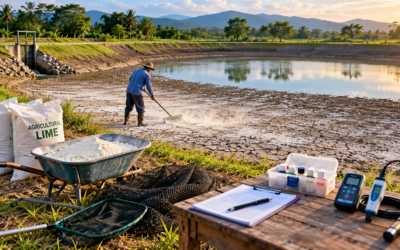
How to Prepare a Fish Pond Before Stocking
Good pond preparation helps fish get off to a healthy start. Learn how to inspect pond structures, manage sludge and unwanted fish, use lime and fertilizer correctly, and check water quality before stocking.

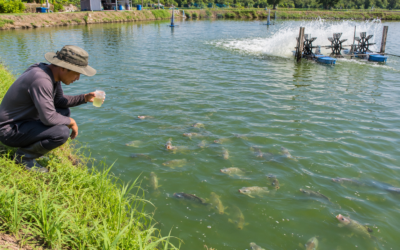
Managing Algae in Fish Ponds: Keeping Blooms Under Control
Some algae are beneficial in fish ponds, but dense blooms can reduce oxygen and threaten fish health. Learn how nutrient control, feeding, aeration, monitoring, and careful treatment can keep algae in balance.
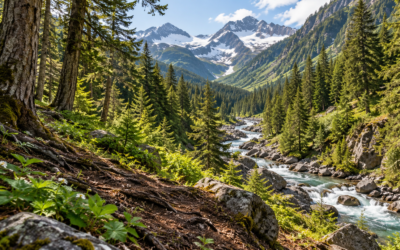
How Mountain Forests Regulate Water: From Rainfall and Snowmelt to Streams
Mountain forests play an important role in watershed hydrology. Discover how vegetation, soils, roots, snow, and forest structure influence runoff, streamflow, erosion, and downstream water quality.