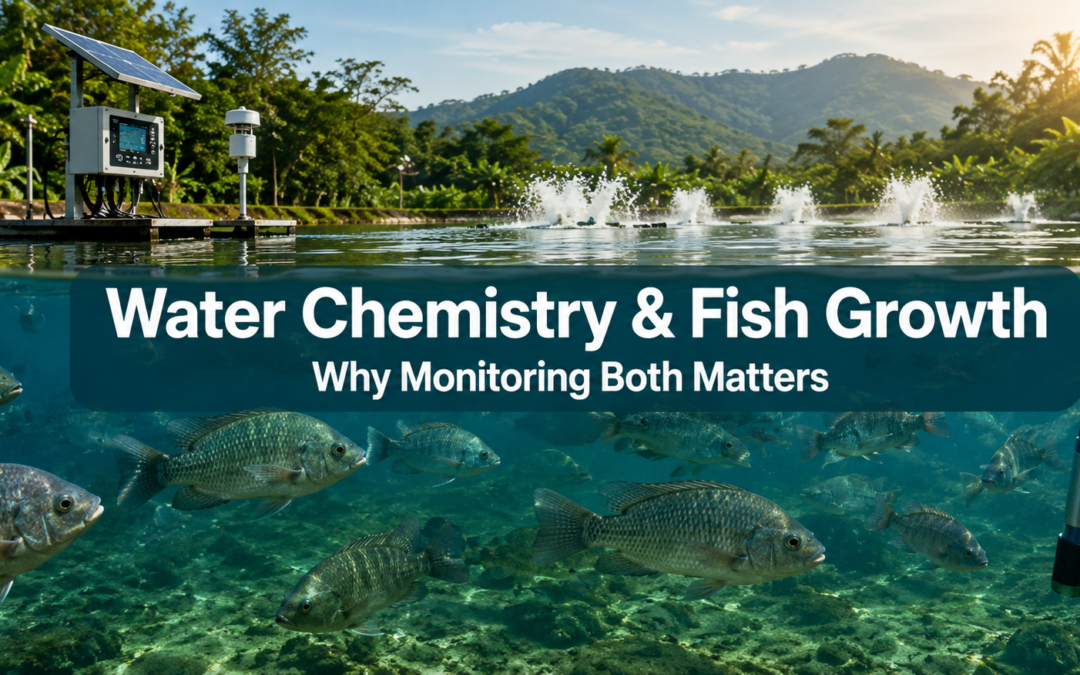
Water quality is one of the most important factors determining success in aquaculture. Fish live, breathe, feed, and release waste into the same water. Changes in water chemistry can therefore influence their health, behavior, feeding activity, and growth.
Monitoring water chemistry alongside fish growth performance helps farmers identify problems early, improve feeding efficiency, reduce stress, and achieve more consistent production. The Food and Agriculture Organization emphasizes that water-quality conditions must be evaluated as interacting factors rather than isolated measurements.
Dissolved Oxygen Supports Growth and Metabolism
Fish need dissolved oxygen to convert feed into energy and support essential body functions. When oxygen concentrations decline, fish often become less active and consume less feed. Prolonged exposure to low oxygen can increase stress, weaken disease resistance, and reduce growth.
Adequate aeration, circulation, and regular oxygen monitoring help maintain conditions in which fish can feed normally and use nutrients efficiently.
Oxygen requirements vary according to species, water temperature, fish size, stocking density, and production system. Farmers should therefore establish operating targets that are appropriate for the fish being raised.
pH Affects Fish and the Entire Aquatic System
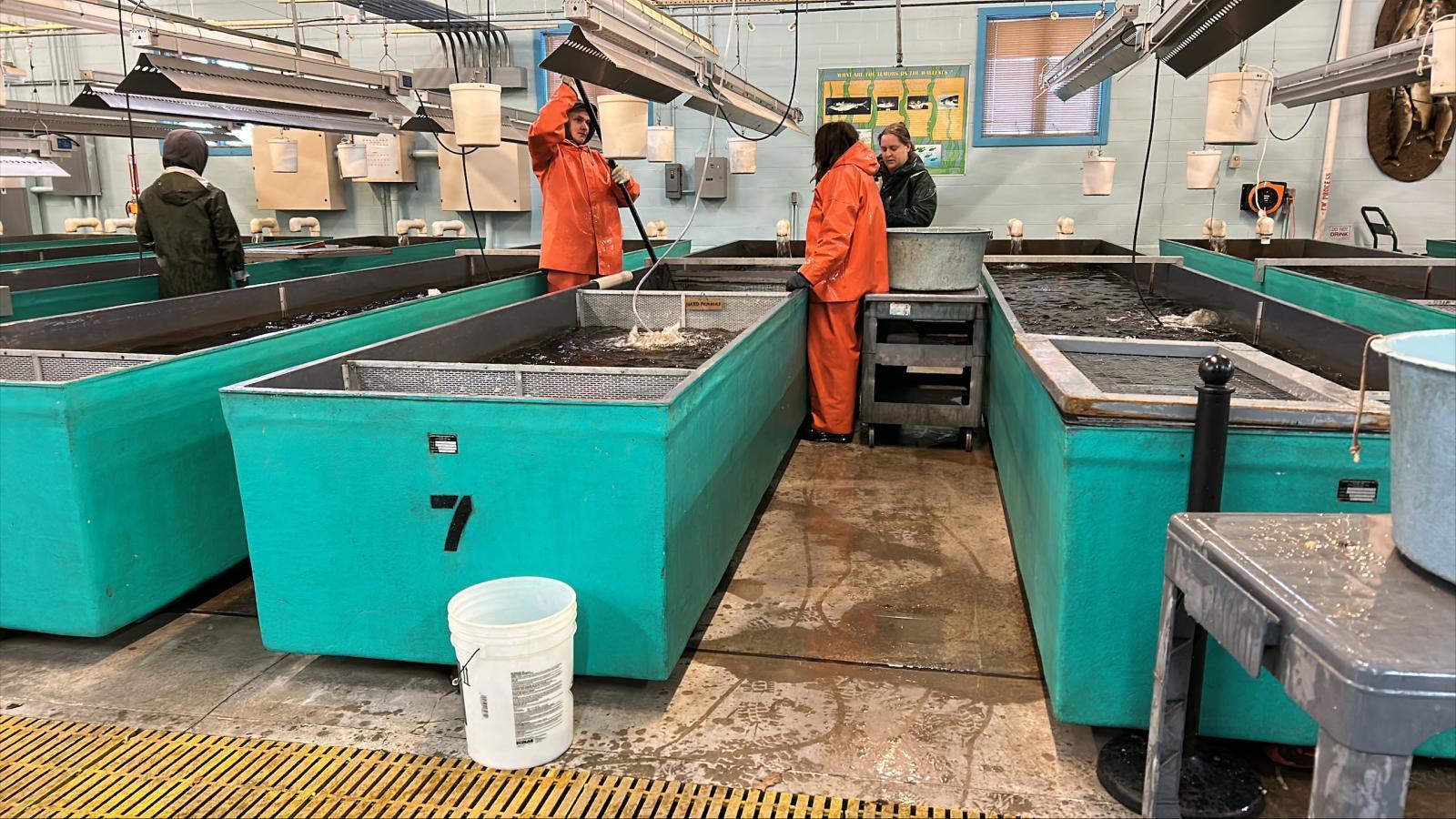
Water pH affects fish physiology, microbial activity, mineral availability, and the behavior of other chemicals in the water. The U.S. Environmental Protection Agency’s guidance on pH explains that pH influences many chemical and biological processes and can change the toxicity and availability of other substances.
Sudden pH changes can stress fish even when the final measurement falls within a generally acceptable range. Stable pH supports healthy biological processes and helps beneficial bacteria function effectively.
Because different fish species have different pH requirements, producers should manage pH according to the species, life stage, and production system involved.
Ammonia Can Reduce Appetite and Damage Fish
Ammonia enters aquaculture systems through fish waste, decomposing organic matter, and uneaten feed. Beneficial bacteria normally convert ammonia into less harmful nitrogen compounds, but this process can become overwhelmed when stocking density, feeding, or waste production increases.
According to the EPA’s aquatic-life guidance on ammonia, ammonia can produce direct toxic effects in aquatic organisms. Its toxicity is also influenced by environmental conditions, particularly pH and temperature.
Elevated ammonia can damage fish tissues, reduce appetite, interfere with respiration, and limit growth. Effective biological filtration, careful feed management, water exchange, and routine testing are essential for keeping ammonia under control.
Temperature Determines How Efficiently Fish Grow
Fish are cold-blooded animals, which means their body temperature and metabolic activity are strongly influenced by the surrounding water.
Each species has a preferred temperature range in which digestion, feeding, immune function, and growth operate most efficiently. When the water becomes too warm or too cold, fish may consume less feed and grow more slowly.
Temperature also affects dissolved oxygen and ammonia toxicity. For this reason, it should never be evaluated by itself. A temperature change may alter several other parts of the aquaculture system at the same time.
Hardness, Alkalinity, and Mineral Balance Support Stability
Calcium, magnesium, carbonates, bicarbonates, and other dissolved minerals influence water hardness and alkalinity. These conditions can affect fish physiology while also helping stabilize pH.
Mississippi State University Extension’s guidance on pH and alkalinity explains that alkalinity represents the water’s buffering capacity. Water with insufficient buffering capacity may experience larger daily pH fluctuations.
Extremely soft water or rapidly changing mineral conditions can create additional stress. Monitoring hardness and alkalinity helps producers maintain a more stable environment, particularly in intensive ponds and recirculating aquaculture systems.
Carbon Dioxide Affects Respiration
Fish and microorganisms release carbon dioxide through respiration. Carbon dioxide can accumulate in systems with high stocking densities, high biological activity, insufficient water movement, or inadequate gas exchange.
When carbon dioxide concentrations become excessive, fish may have more difficulty exchanging gases through their gills. They may then use more energy for respiration and have less energy available for growth.
Proper aeration, degassing, circulation, and ventilation can help control carbon dioxide. The Mississippi State University overview of catfish-pond water quality provides additional information about the relationship between dissolved oxygen, carbon dioxide, ammonia, feeding, and fish production.
Stability Is as Important as Individual Measurements
Fish generally respond better to stable conditions than to frequent and dramatic changes. Rapid adjustments in pH, temperature, oxygen, or mineral balance can create stress—even when the final measurement falls within the desired range.
Regular monitoring allows producers to identify trends before they become serious problems. When corrections are necessary, gradual adjustments are generally safer than sudden changes.
Monitoring should also account for daily cycles. Dissolved oxygen, carbon dioxide, and pH may change between daytime and nighttime, especially in ponds with high biological activity.
Water Chemistry Should Be Compared With Growth Data
Water-quality measurements become more valuable when they are evaluated alongside production results. Important growth-performance indicators include:
- Weight gain
- Specific growth rate
- Feed intake
- Feed conversion ratio
- Survival rate
- Size uniformity
- Changes in behavior or appetite
For example, reduced growth may appear to be a feeding problem when the underlying cause is low dissolved oxygen, elevated ammonia, unstable pH, or an unsuitable temperature.
Tracking feed use and periodically measuring fish growth also makes it possible to calculate feed conversion and evaluate production efficiency. Connecting water-quality records with growth data helps farmers identify the real cause of poor performance and avoid wasting feed or treating the wrong problem.
Better Monitoring Supports Better Decisions
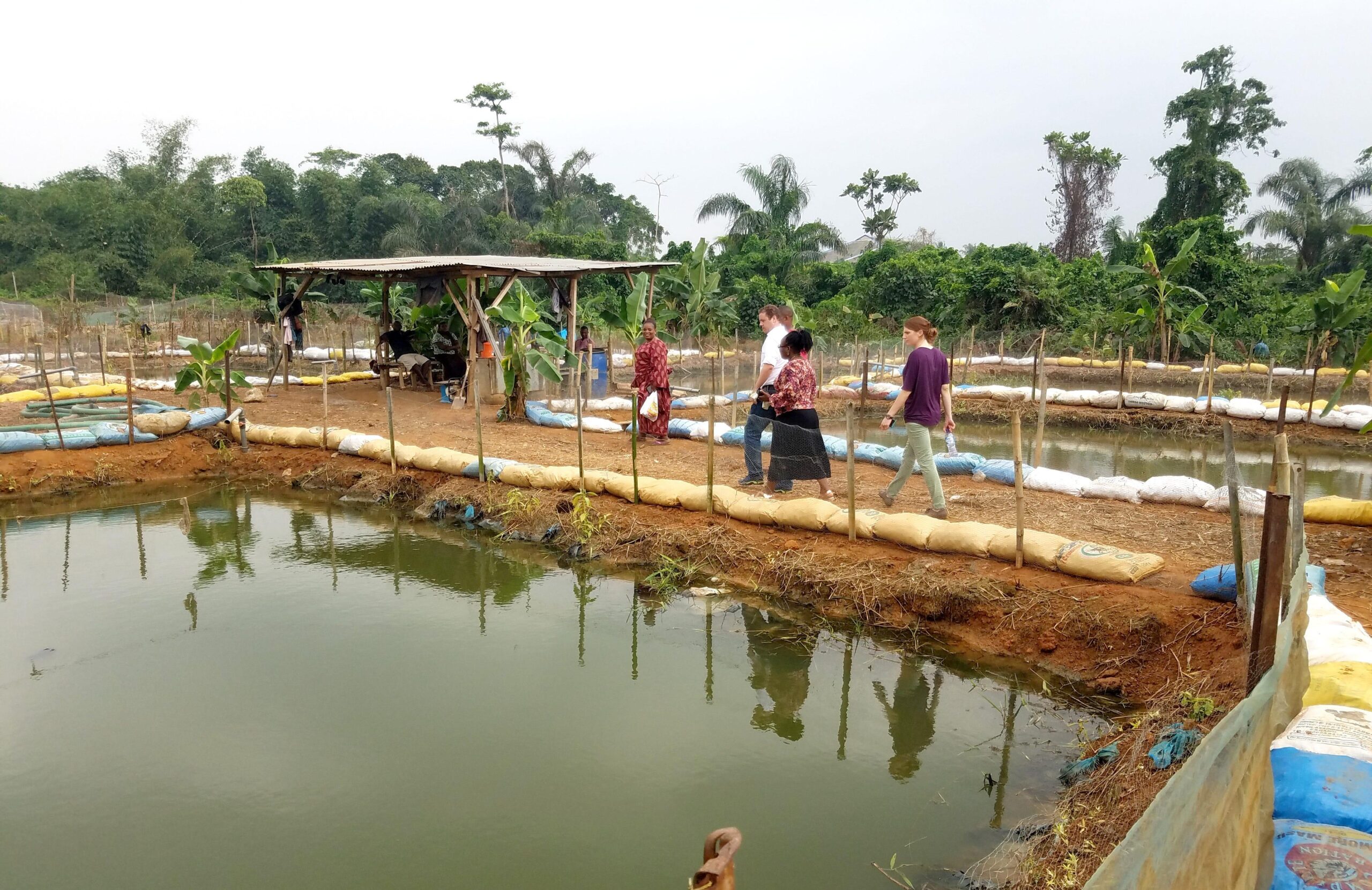
A single water test only shows conditions at one moment. Consistent recordkeeping reveals patterns and helps producers understand how water chemistry changes throughout the day, across seasons, and during different stages of production.
This information can guide decisions about:
- Aeration
- Stocking density
- Filtration
- Feeding schedules
- Water exchange
- Fish grading
- Harvest timing
Environmental monitoring also supports responsible aquaculture development. NOAA’s National Centers for Coastal Ocean Science describes monitoring as an important tool for identifying environmental trends around aquaculture operations.
Conclusion
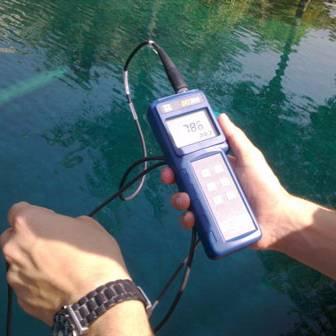
Successful aquaculture depends on more than monitoring one water-quality parameter. Dissolved oxygen, pH, ammonia, temperature, mineral balance, and carbon dioxide interact to shape the environment in which fish grow.
Evaluating these conditions together—and comparing them with growth, feeding, and survival data—gives producers a clearer picture of system performance. Stable water chemistry supports healthier fish, more efficient feed use, predictable growth, and better production outcomes.
For more practical information about aquaculture, sustainability, and planet-positive business opportunities, visit the EAT Community and discover new ways to make a little money while making the planet better.
Related Articles and Resources
- Water Quality and Fish Health — A detailed FAO guide examining water-quality conditions, pollutants, fish health, and aquaculture management.
- Environment and Fish Health: Water Quality for Aquaculture — FAO information about dissolved oxygen, ammonia, pH, and other water-quality factors affecting cultured fish.
- Aquatic Life Criteria for Ammonia — EPA guidance explaining where ammonia comes from, how it affects aquatic organisms, and how pH and temperature influence its toxicity.
- pH and Aquatic Ecosystems — EPA information about the effects of pH on aquatic organisms and water chemistry.
- Water Quality of Catfish Ponds — Mississippi State University Extension guidance covering dissolved oxygen, carbon dioxide, ammonia, nitrite, feeding, and pond management.
- pH and Alkalinity in Fish Ponds — An explanation of buffering capacity, hardness, alkalinity, pH fluctuations, and their effects on fish production.
- Aquaculture Fish Health — NOAA Fisheries information about disease prevention, farm management, biosecurity, nutrition, and maintaining low-stress culture conditions.
- Nutrient Impacts of Finfish Aquaculture — NOAA research and guidance on dissolved nutrients, oxygen, feed efficiency, waste management, and environmental monitoring.
- Environmental Monitoring for Marine Aquaculture — NOAA resources on developing effective monitoring programs and evaluating environmental trends around aquaculture farms.