The effects of agriculture on the environment have been well studied, with hundreds of peer-reviewed scientific papers published on the topic in the past few years. Farming has been found to accelerate climate change, introduce toxins into watersheds, and negatively impact local biodiversity.
Each year, the global food system grows increasingly larger and more complex, and the need for greater sustainability during agricultural production has increased concurrently. Without a concerted effort from growers, distributors, and consumers, the food supply that communities across the world depend on will be at risk.
Fortunately, modern farmers are leading the charge toward a more sustainable food system for their local communities and the world at large. Let’s consider some of the innovative practices farmers use to mitigate the environmental effects of agriculture. Pioneered by small-scale local farms, these techniques are now being adopted worldwide to promote long-term ecosystem health.
Reducing Carbon Footprints
According to the USDA, agriculture contributes about 10.6 percent of all greenhouse gas emissions in the United States, totaling hundreds of millions of metric tons of carbon dioxide and its equivalents per year. These emissions are generated by every aspect of the agricultural process, from the carbon dioxide directly produced by the machinery used during production and distribution to the nitrous oxide created by fertilizers and livestock manure. Promoting long-term sustainability is a matter of reducing these greenhouse gas emissions wherever possible.
One major contributor to carbon dioxide production during agriculture is the tilling process itself. Whenever the soil is disturbed, microbes living inside it release the byproducts of decomposition, including greenhouse gases. Modern farmers have employed multiple techniques for ensuring that this CO2 remains sequestered in the soil. For example, they often plant cover crops as a source of protection from erosion and runoff. These cover crops also help to absorb carbon, preventing it from reentering the atmosphere.
Conserving Water
Fresh water is one of the rarest and most valuable commodities on the planet. Only 3 percent of the water in the world is freshwater, and the majority of that is impossible to access for human use, as it is frozen in ice caps or held in the atmosphere or deep underground. That means only about 0.5 percent of the world’s water is usable by humans.
Of that 0.5 percent, the agriculture industry is by far the largest user of freshwater on the planet, employing about 70 percent of the worldwide water supply. Unfortunately, much of this water is also wasted. The numbers are truly staggering: Some estimates suggest as much as 60 percent, or more, is lost as a result of inefficient agricultural practices.
Mitigating the effects of agriculture on the environment requires vastly improving water management on farms, a task that modern farmers are now working to undertake. Innovative methods of watering crops, such as drip irrigation, are being implemented worldwide. Irrigation scheduling software can also be used to ensure water is supplied to crops when it is needed the most and in exactly the right amounts.
Precision Farming
A great deal of the environmental impact of farming can be minimized by the process of precision farming. This technique utilizes modern technology to reduce waste and eliminate the inefficiencies that plague traditional farms. This technology allows for the collection of vast amounts of data from any agricultural project. For example, GPS technology can be used to create extremely accurate maps of a given area, enabling farmers to determine which areas are best suited for specific crops.
Precision farming techniques also employ software to analyze and predict groundwater levels, helping farmers to determine crops’ exact irrigation needs, down to the drop. This both reduces the farm’s overall water usage and eliminates harmful runoff that can carry pollutants into the local water supply. Precision farming is also used to track and predict the life cycles of pest insects, helping farms use smaller quantities of harmful pesticide chemicals than they have in the past.
Crop Rotation
Another farming practice that reduces resource usage in agriculture is crop rotation. This involves changing the type of crop grown in a specific field on an annual or seasonal basis.
Growing the same crops in the same location season after season can strain local environments. This eventually depletes the soil of necessary nutrients. It also provides pest insects with a tempting and predictable environment in which to establish themselves. Crop rotation addresses these concerns by recycling and restoring the soil, increasing the diversity of plant life available in the area, and disrupting pest life cycles.
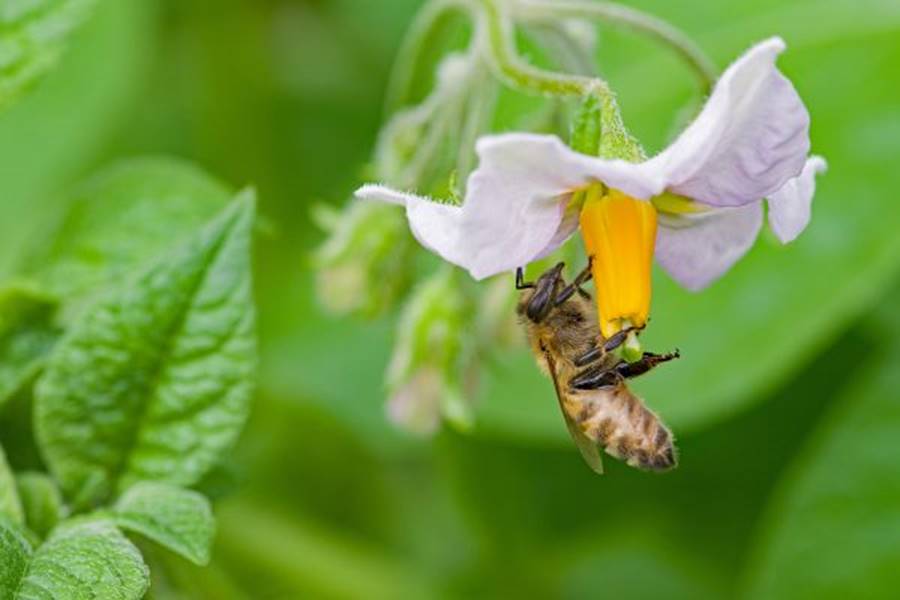
The benefits are multifold. Interrupting pest life cycles reduces pest species populations, which in turn minimizes the amount of harmful pesticides introduced to the local environment. Soil regeneration and increased plant diversity mean a stronger local ecosystem overall. All of this supports the presence of beneficial local wildlife, including pollinators, which can then further reinforce the health of both the crops and the surrounding environment.
Small-scale farming operations, including the sustainable potato farms in Washington State, have successfully employed crop rotation to boost yields and strengthen local environments. Now these tried-and-true techniques are being employed on larger farms worldwide.
Using Renewable Energy
Farms can also cut down on their carbon emissions and reduce their environmental impacts by utilizing renewable energy sources to power operations. There are dozens of ways renewable energy can be used during the agricultural process.
One of the best and most effective is installing solar panels on the farmland. Solar panels absorb solar radiation during the day, which can help meet the energy requirements of the farm. They also provide a source of shade for the crops, which can protect them from excessive heat and further improve the output and efficiency of the growing operation.
Whether you are a generational farmer with a small-scale growing operation or the owner of a large-scale agricultural business, the sustainable practices listed above can help your farm save money, increase yields, and reduce the environmental impact of the growing process. Consider implementing them to support the health of your local ecosystem and be a part of the future of agriculture.
Related Articles and Resources:
- The Genetics of Resilient Fish in Sustainable Aquaculture
- Impacts of agriculture intensification on biodiversity loss, climate change, and ecosystem services
- Towards nutrient neutrality: A review of agricultural runoff mitigation strategies and the development of a decision-making framework – PubMed
- Agriculture accounted for an estimated 10.6 percent of U.S. greenhouse gas emissions in 2021 | Economic Research Service
- Smart Farming: Enhancing Potato Growth with Sustainable Water Practices
- Farmer’s Guide to Going Solar | Department of Energy