by Areeb | Oct 20, 2026 | Aquaculture, Blog, Fish Farming
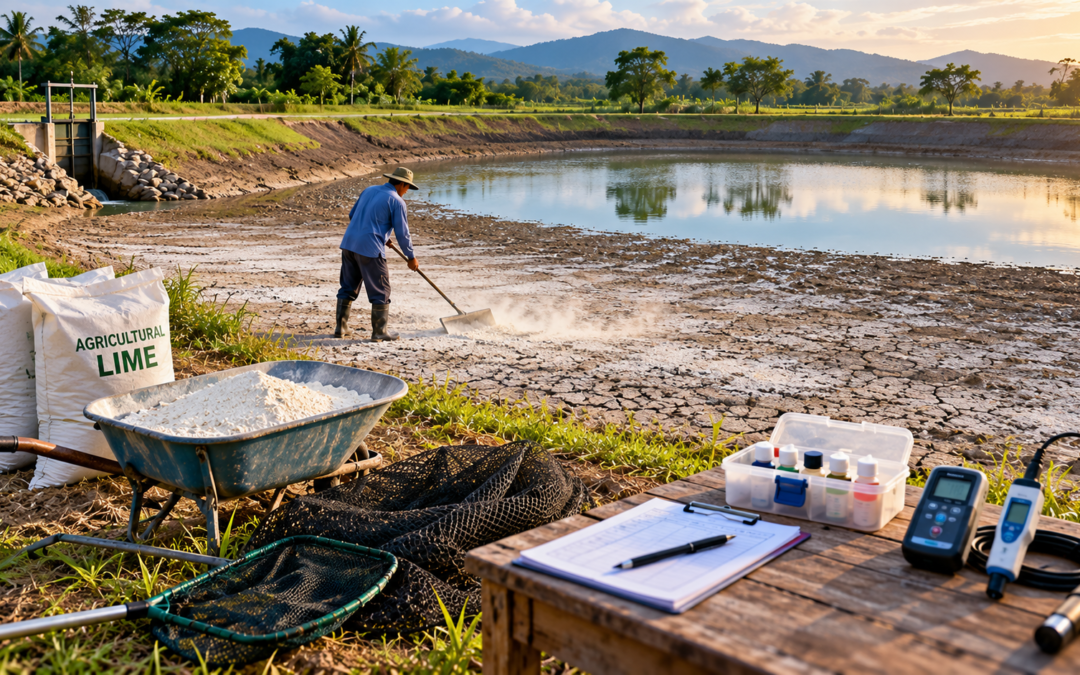
Preparing a pond before stocking is one of the most important steps in starting a productive fish-growing cycle. Fish introduced into a pond with poor water quality, excessive organic matter, unwanted fish, damaged banks, or unsuitable soil conditions may face stress...
by Areeb | Oct 15, 2026 | Aquaculture, Blog, Fish Farming, Water Quality
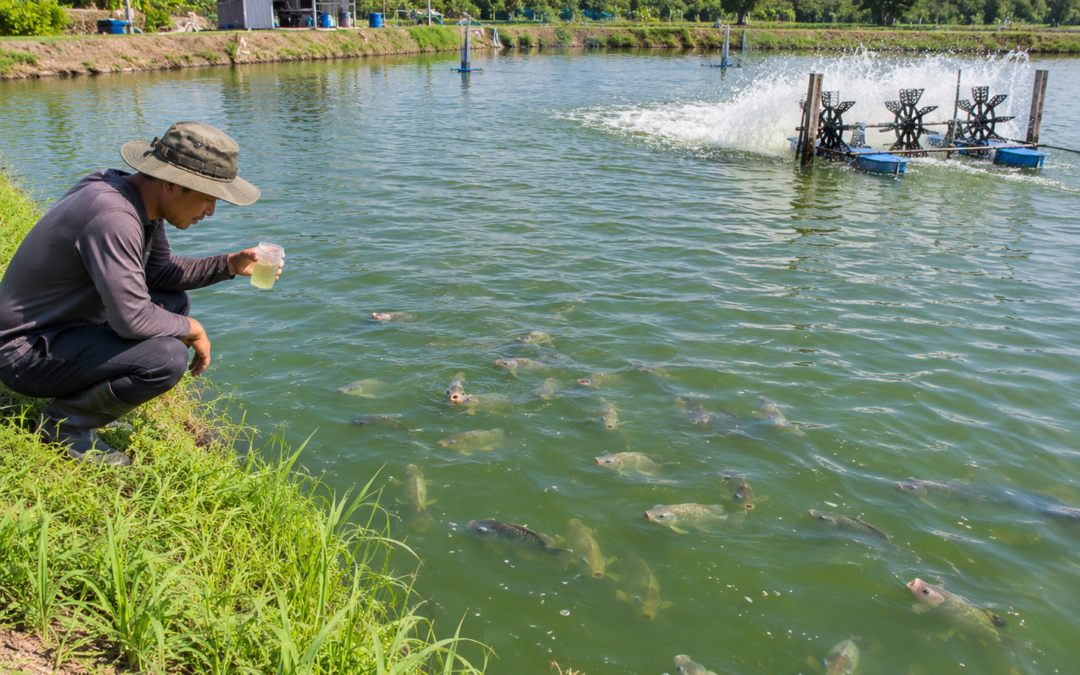
Algae are a natural part of fish-pond ecosystems, and their presence is not automatically a problem. Microscopic algae called phytoplankton form an important part of the pond food web and produce oxygen during daylight through photosynthesis. The phytoplankton blooms...

by Areeb | Oct 2, 2026 | Blog, Forest Ecology
High in the mountains, forests do much more than provide habitat and cover steep slopes. They are also closely connected to the movement of water through entire landscapes. Rain and snow falling on mountain forests interact with tree canopies, roots, soils, leaf...
by Areeb | Sep 29, 2026 | Blog, Fish Farming, raising fish, Regenerative Agriculture
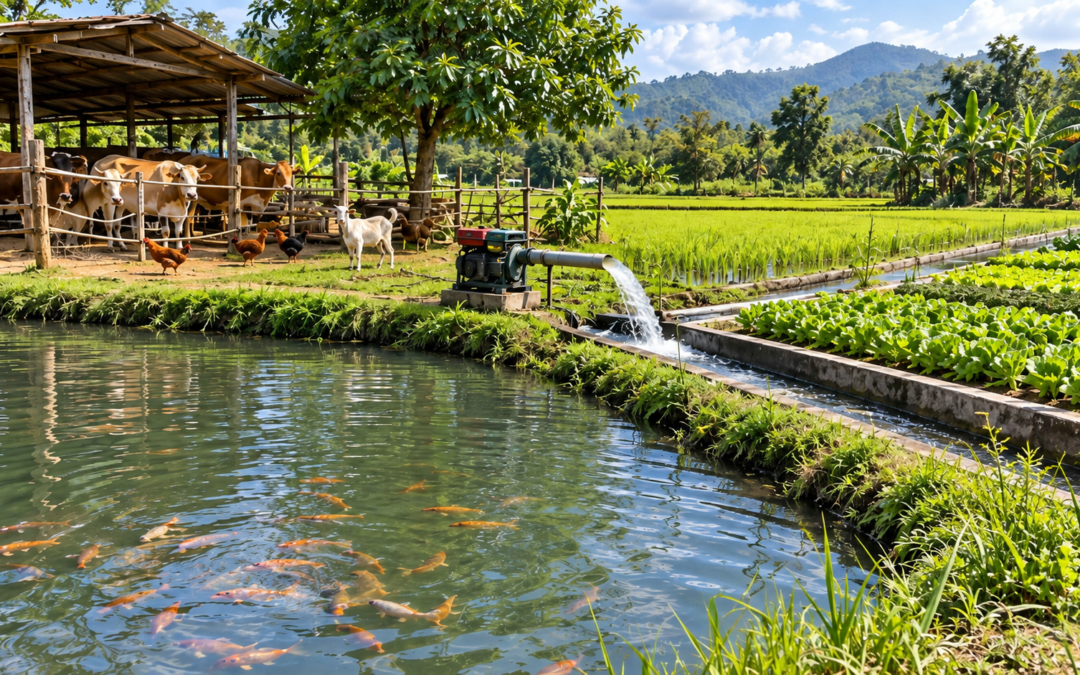
A farm can produce much more efficiently when its different activities work together instead of operating as completely separate systems. That is the basic idea behind integrated fish farming systems. Integrated fish farming combines aquaculture with other...
by Blogger | Aug 14, 2026 | Blog, Fish Farming, Water Quality
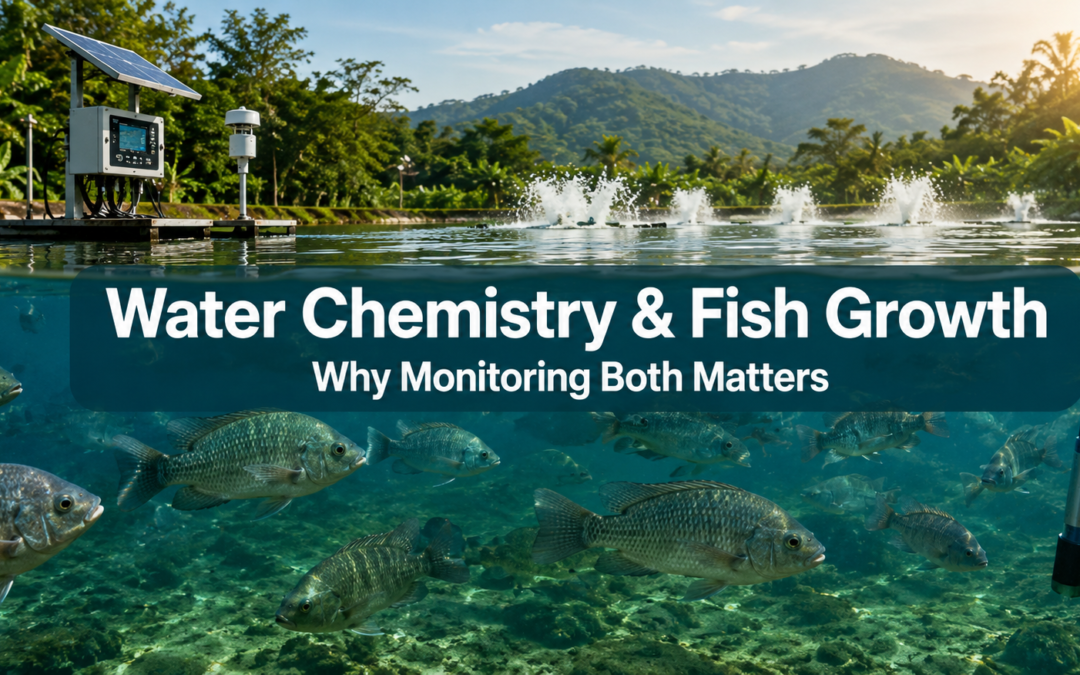
Water quality is one of the most important factors determining success in aquaculture. Fish live, breathe, feed, and release waste into the same water. Changes in water chemistry can therefore influence their health, behavior, feeding activity, and growth. Monitoring...
by Blogger | Jul 22, 2026 | Blog, Fish Farming
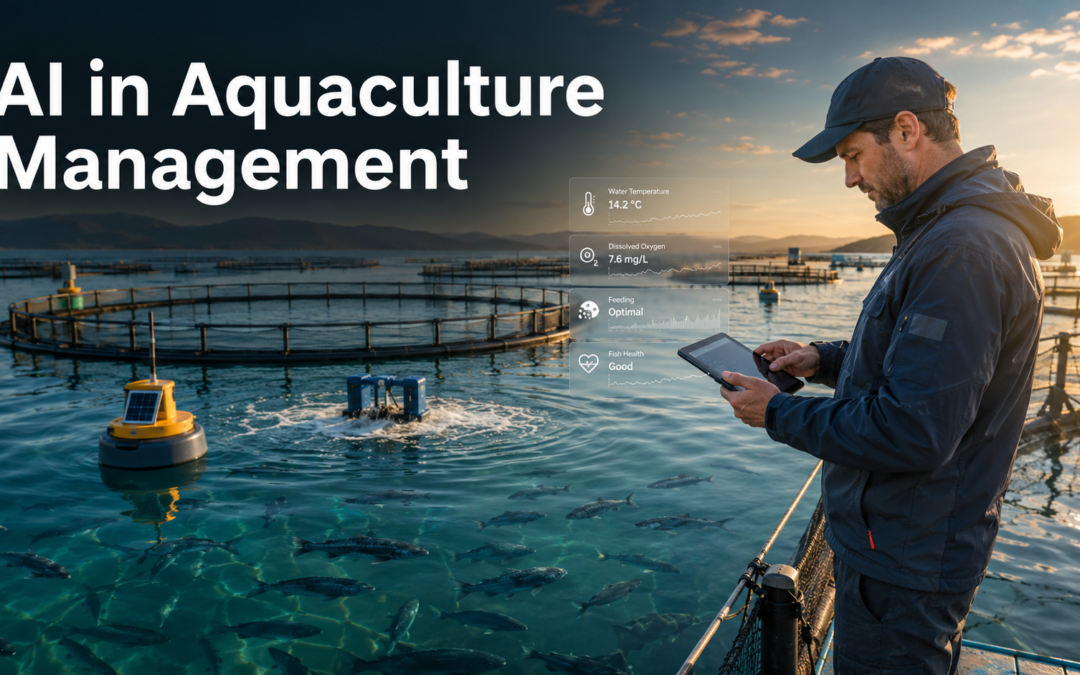
Artificial intelligence is changing the way aquaculture farms monitor fish, manage resources, and make daily production decisions. By combining sensors, cameras, automated equipment, and data analysis, AI can turn large amounts of farm information into practical...