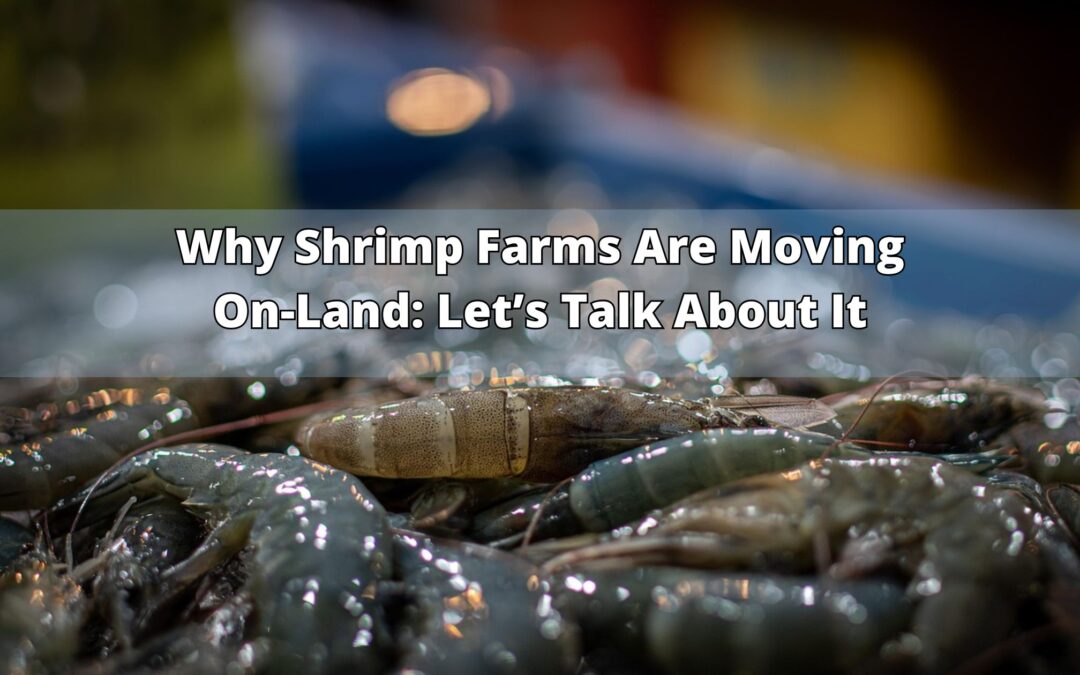
Shrimp is America’s favorite seafood, but the way it’s traditionally farmed is changing fast. Today, more and more shrimp farms are moving on-land — and for good reason. Disease outbreaks, environmental damage, and unstable imports are pushing producers to rethink how shrimp should be grown. Indoor, land-based systems promise cleaner water, healthier shrimp, and a steady supply all year long. So let’s talk about why this shift is happening and what it means for the future of sustainable seafood.
You probably know how much Americans love shrimp — more than 1 billion pounds every year. But here’s the surprising part: almost 90% of that shrimp is imported. That means when something goes wrong overseas — disease, bad weather, rising costs — shrimp prices and availability in the U.S. get hit too.
But now, something new is happening: shrimp farms are moving indoors and on land. And yes — this could change the entire seafood industry.
Why Traditional Shrimp Farms Are Hitting Limits
Let’s talk about why outdoor, open-pond shrimp farming is becoming harder to rely on.
1. “Disease can destroy everything.”
Traditional farms use open ponds, which makes it easy for viruses to enter and wipe out shrimp populations.
Read more: University of Michigan Report
2. “It harms the environment.”
Ponds often replace mangroves and wetlands, and wastewater can pollute local ecosystems.
More info: Seafood Sustainability Report
3. “Weather is not predictable anymore.”
Storms, heatwaves, and droughts can destroy shrimp ponds and disrupt production.
Background reading: Global Seafood Alliance
4. “Buyers want cleaner, safer seafood.”
Imported shrimp often lacks traceability and may involve antibiotics or poor-quality water.
Reference: SEC Report
The Indoor Shrimp Farming Revolution
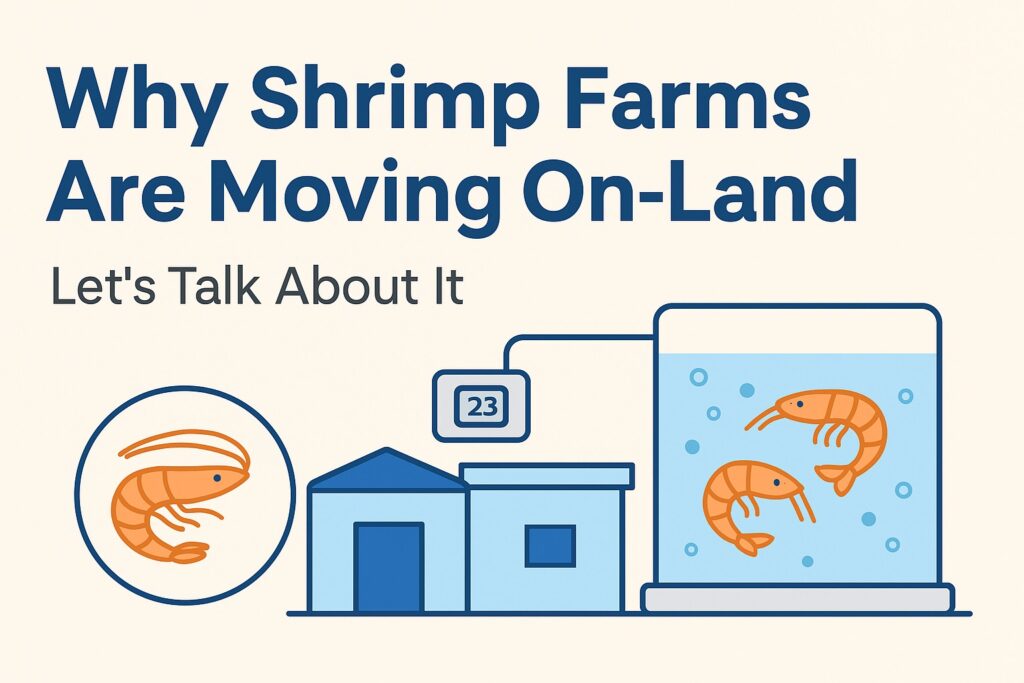
Now imagine this: shrimp growing in indoor tanks, with clean recycled water, controlled temperature, and 24/7 monitoring. That’s indoor shrimp farming using a Recirculating Aquaculture System (RAS).
1. “We can control everything.”
Temperature, water quality, and environment are fully managed.
Learn about RAS: Wikipedia: RAS
2. “Shrimp grow all year round.”
Indoor farms avoid seasonal challenges and weather issues.
More details: Texas A&M Extension Report
3. “It’s better for the planet.”
Indoor systems reduce water use and lower pollution compared to coastal ponds.
Learn more: Environmental Impact Study
4. “Shrimp can be farmed close to big cities.”
This lowers transport time and carbon emissions while producing fresher shrimp.
Good explanation: University of Michigan Sustainability Research
Challenges to Scaling Indoor Shrimp Farms (Because Nothing Is Perfect)
1. High startup cost
Indoor shrimp facilities require millions in upfront investment.
Overview: Economic Breakdown
2. High energy use
Heating and filtration systems require steady energy input.
More details: Tech Pros & Cons
3. Technical knowledge required
Indoor systems require expertise similar to running a factory.
Background: University Research
Why This Shift Matters for You? What This Shift Means for the Shrimp Farms
Here’s why indoor shrimp farming is important:
- More stable prices due to year-round supply.
- Cleaner, safer shrimp raised in controlled environments.
- Less environmental damage to coastal regions.
- Fresher seafood with shorter travel distances.
Want to Learn More?
Related articles and Useful links:
- Shrimp Aquaculture: Managing Salinity Levels for Optimal Shrimp Growth
- Shrimp Sustainability Overview
- How RAS Works
- Environmental Impact Analysis
- Shrimp Farming Technology
- Indoor Aquaculture Guide
For more case studies and expert discussions, visit: Eat Community
Start asking where your shrimp comes from. Choose sustainable seafood. Share this article and help build a cleaner, smarter seafood future!